
Introduction
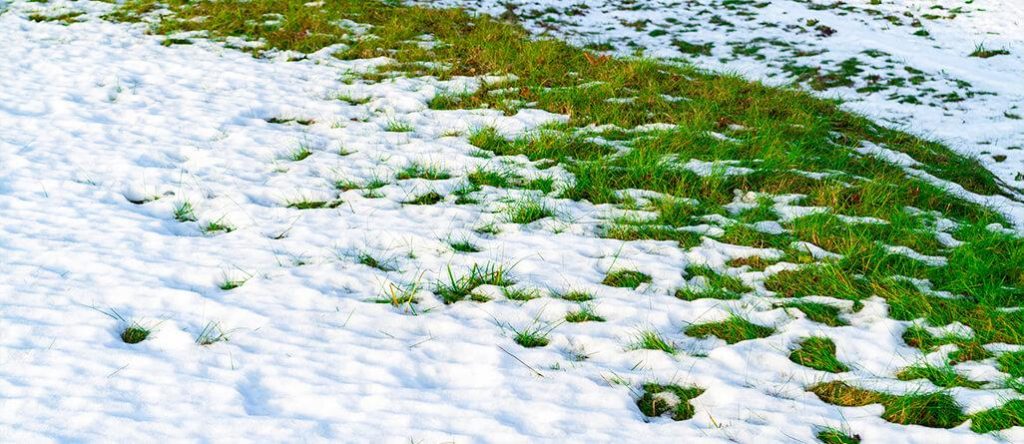
Spring in Edmonton brings longer days, melting snow, and the perfect opportunity to restore your lawn after a harsh winter. However, Edmonton’s climate — with freeze-thaw cycles, snow mold risks, and compacted soil — requires a strategic approach to lawn care.
In this guide, we’ll walk you through expert-backed, step-by-step methods to prepare your lawn for spring, ensuring healthy growth, stronger roots, and a lush green appearance throughout the season.
Why Spring Lawn Preparation Matters
After winter, your lawn typically faces:
- Soil compaction from snow cover
- Dead grass (thatch buildup)
- Mold and fungal issues
- Nutrient depletion
Proper spring preparation improves:
- Root development
- Water absorption
- Resistance to weeds and pests
- Overall turf density
Step 1: Clean Up Your Lawn
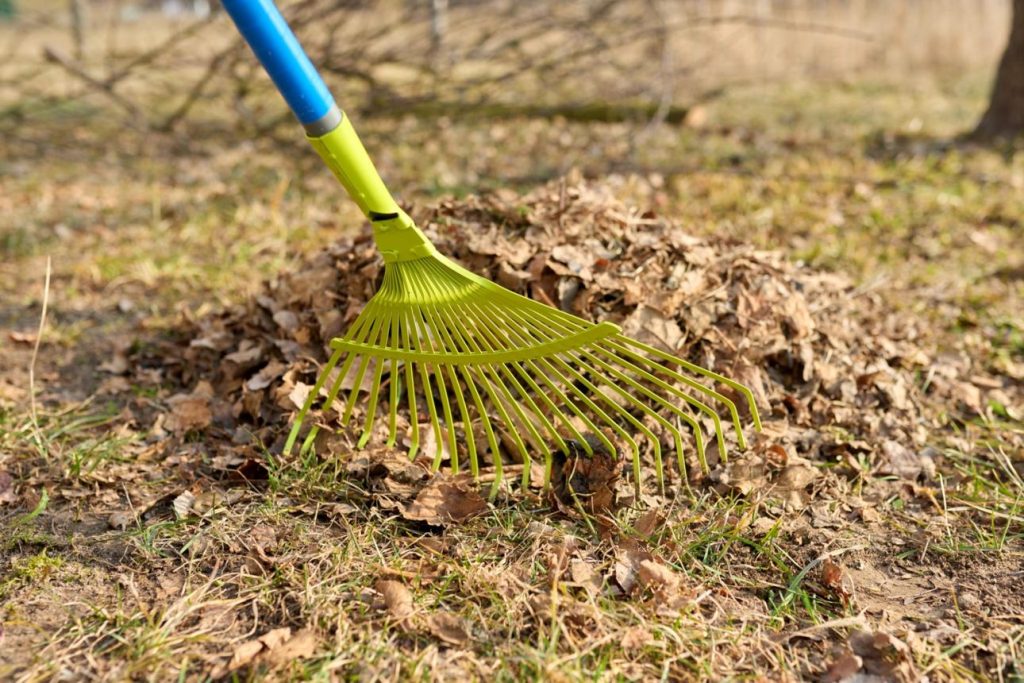
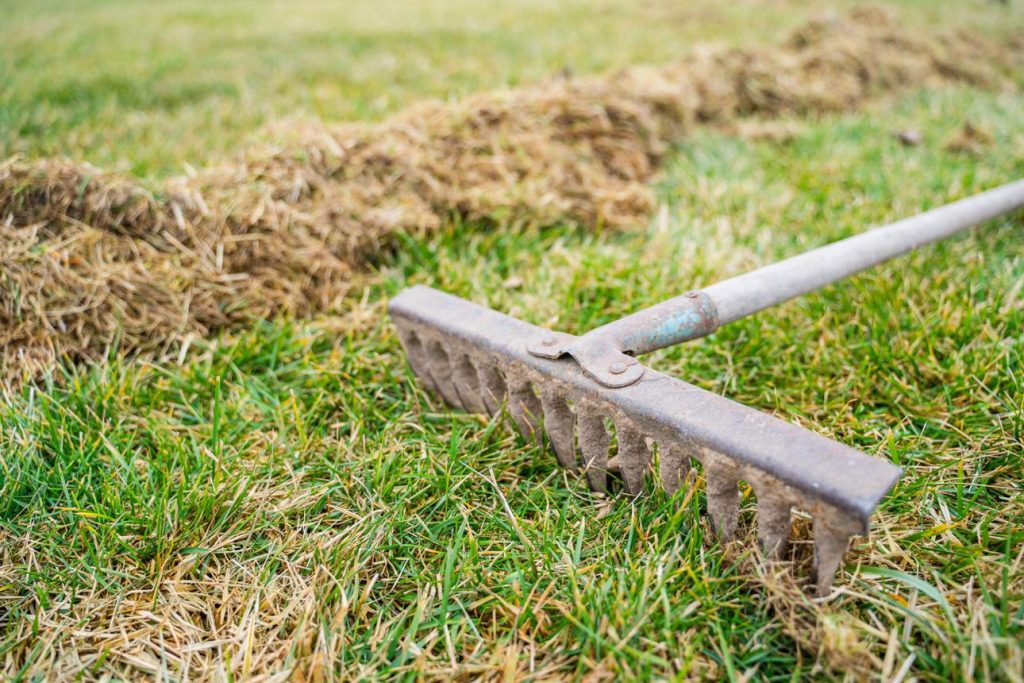
Start by removing:
- Leaves and debris
- Twigs and dead grass
- Pet waste buildup
This allows sunlight and airflow to reach the soil, preventing mold growth and promoting faster drying.
Pro Tip: Use a light rake to avoid damaging soft spring turf.
Step 2: Inspect for Snow Mold & Damage
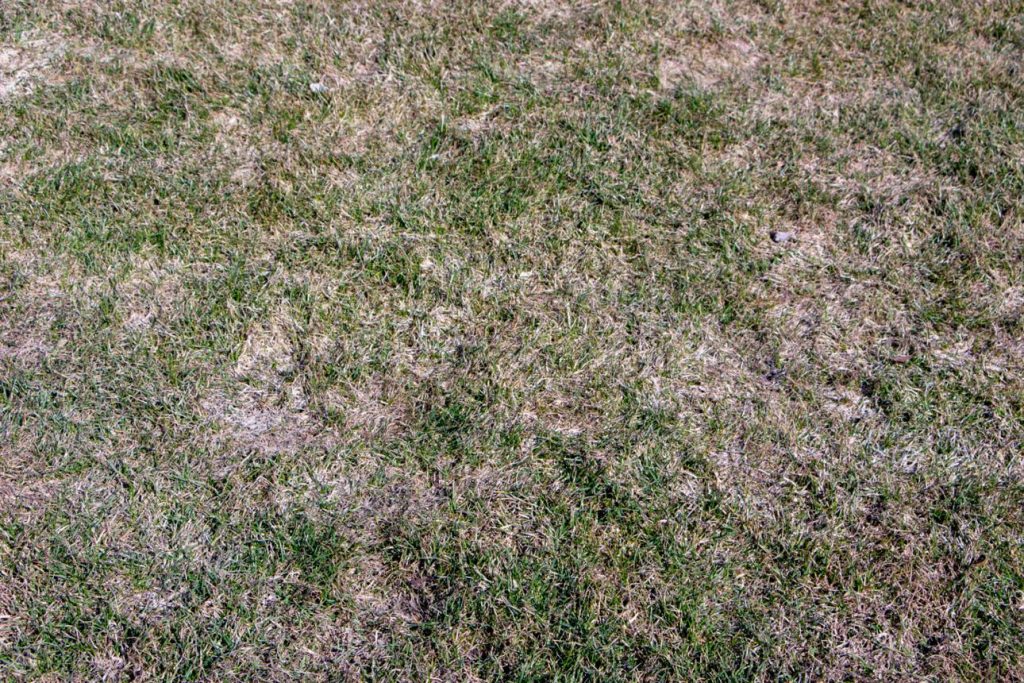
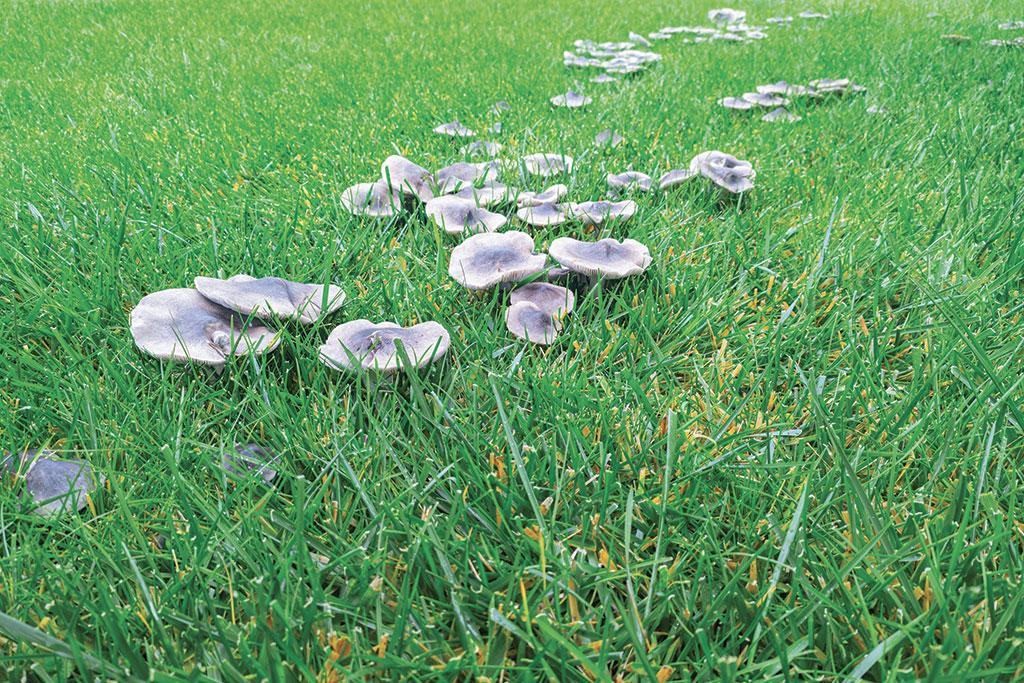
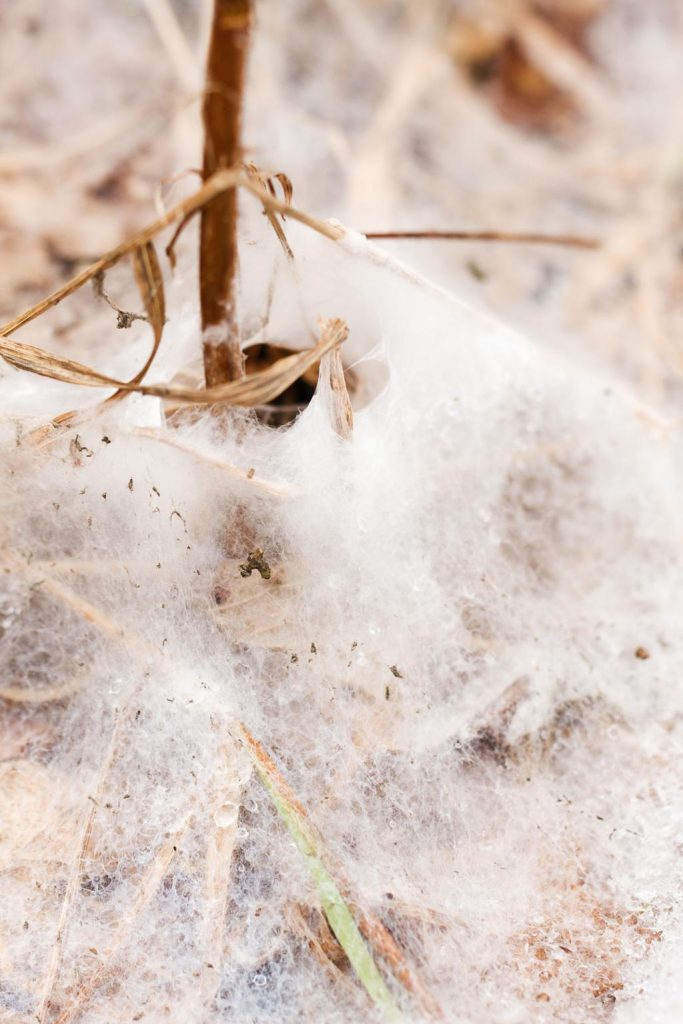
Snow mold is common in Alberta lawns after long winters.
Look for:
- Circular gray or pink patches
- Matted, crusty grass
- Discolored turf
What to do:
- Gently rake affected areas
- Improve air circulation
- Avoid heavy watering early in the season
Most lawns recover naturally with proper care.
Step 3: Aerate Compacted Soil
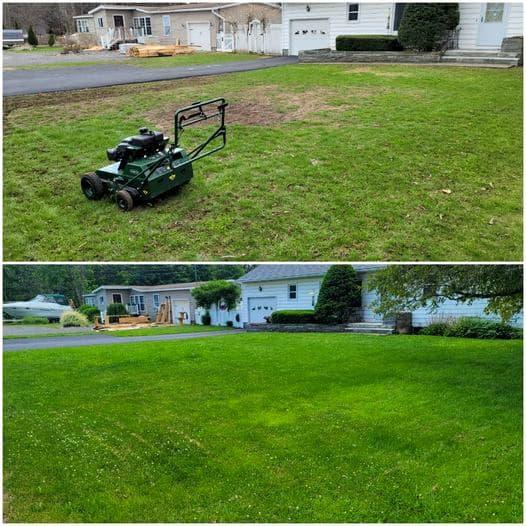
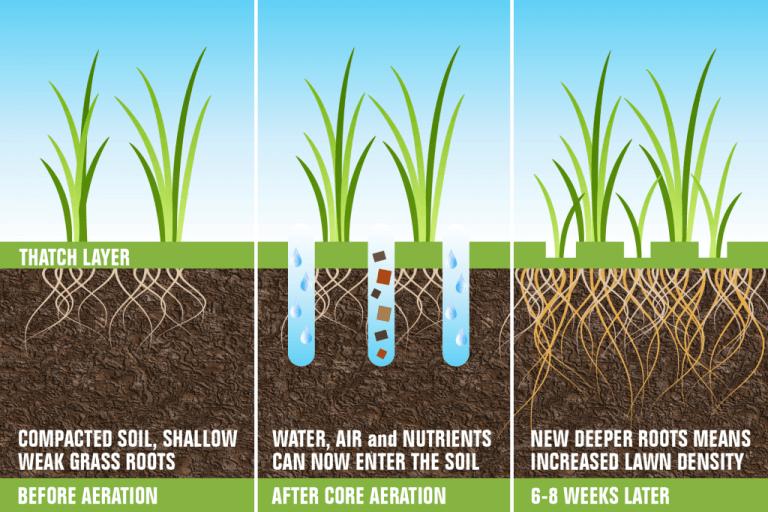
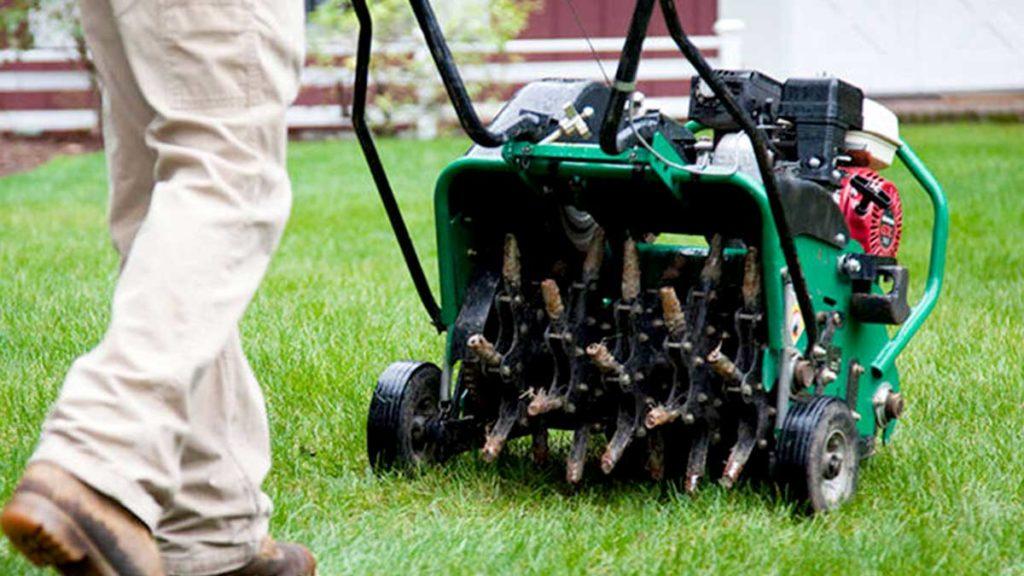
Edmonton’s clay-heavy soil often becomes compacted after winter.
Benefits of aeration:
- Improves oxygen flow
- Enhances nutrient absorption
- Promotes deeper root growth
Best practice:
- Use core aeration (removes small plugs of soil)
- Ideal timing: late April to early May
Step 4: Dethatch If Needed
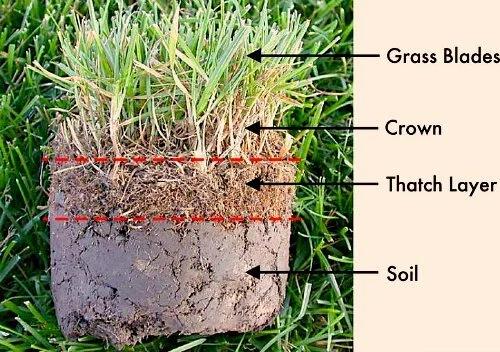

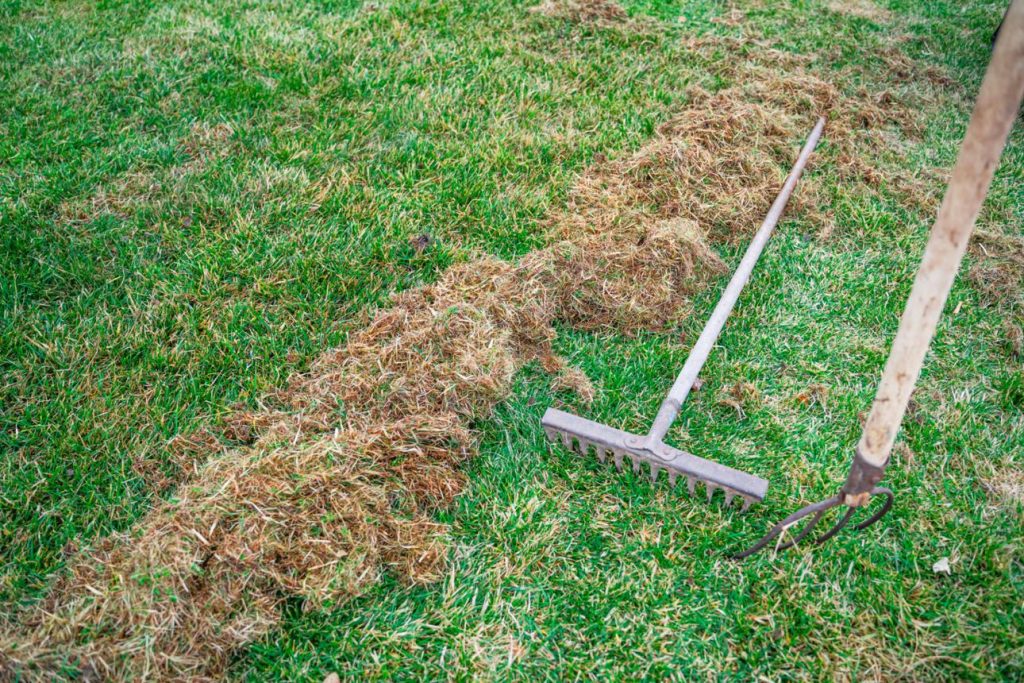
Thatch is a layer of dead grass that blocks water and nutrients.
Check for thatch:
- If thicker than ½ inch → dethatching is needed
Caution:
Avoid aggressive dethatching too early — wait until grass begins active growth.
Step 5: Overseed Bare Patches
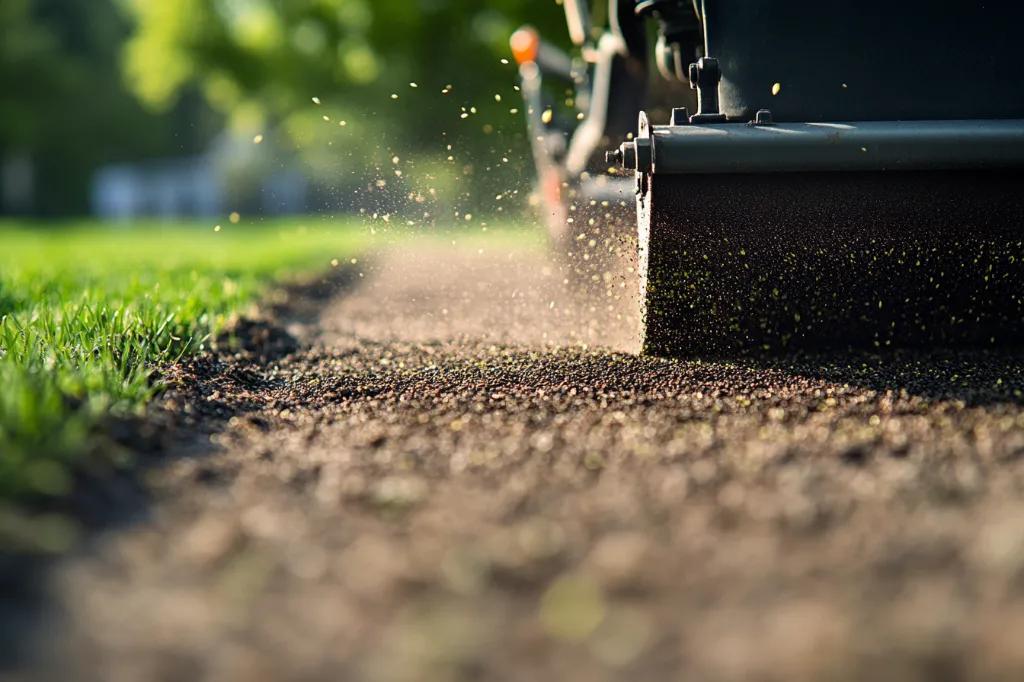
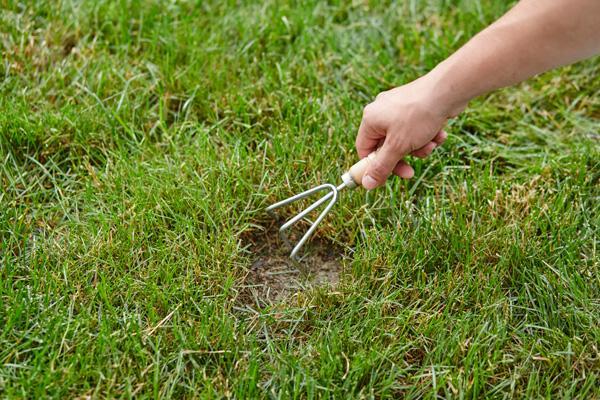
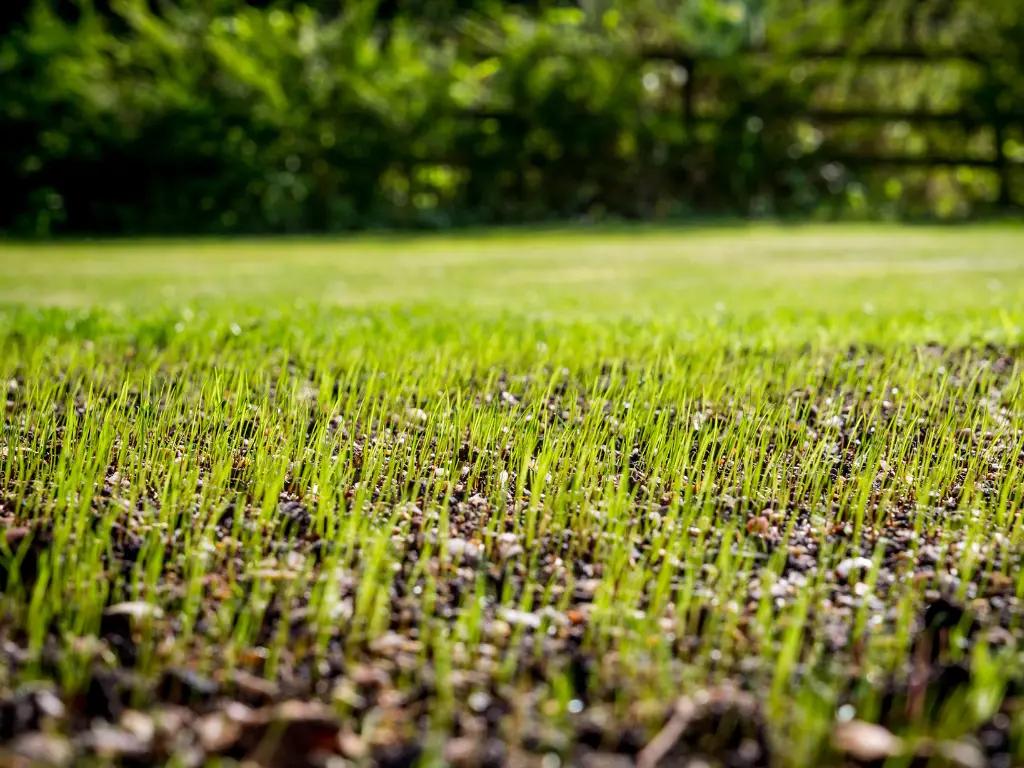
Bare spots are common after snow damage.
Steps:
- Loosen the soil
- Apply high-quality grass seed (cool-season mix)
- Lightly water daily
This helps thicken your lawn and prevent weed invasion.
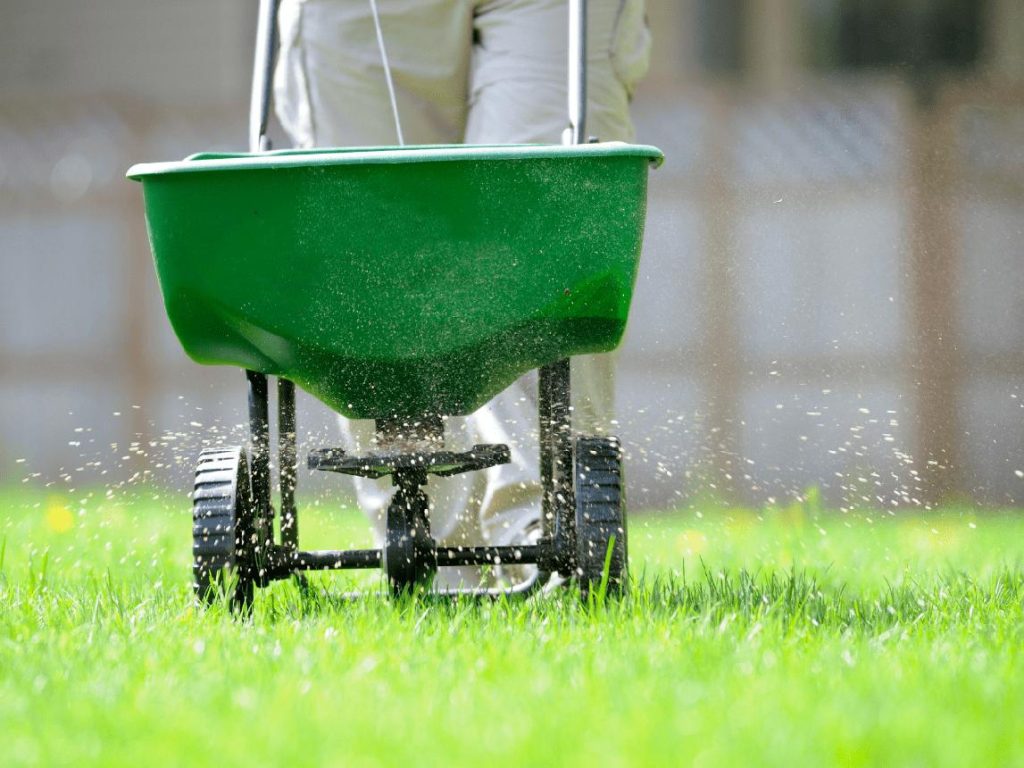
Step 6: Apply Spring Fertilizer
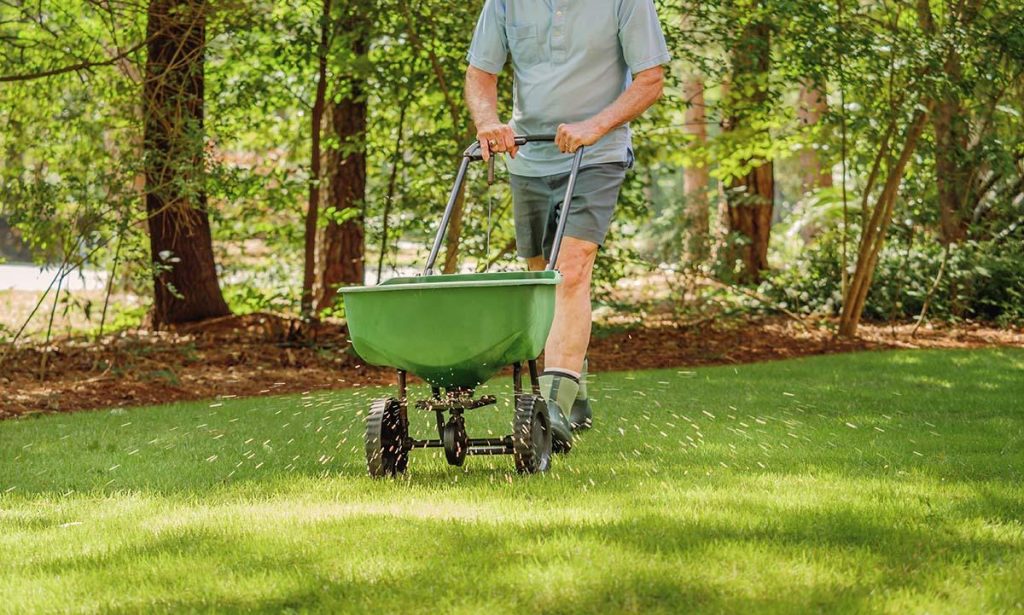
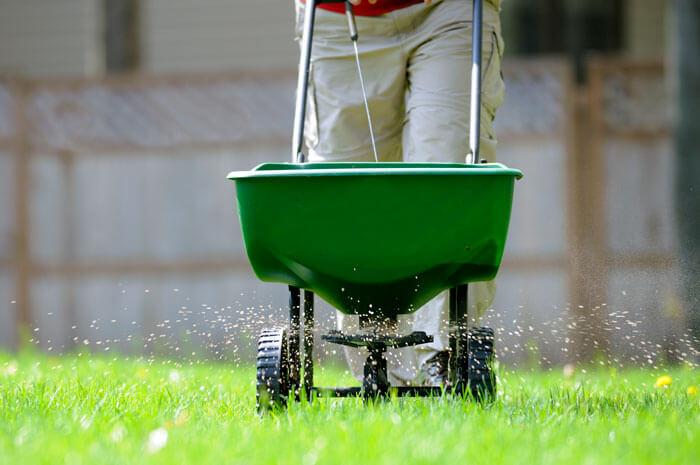
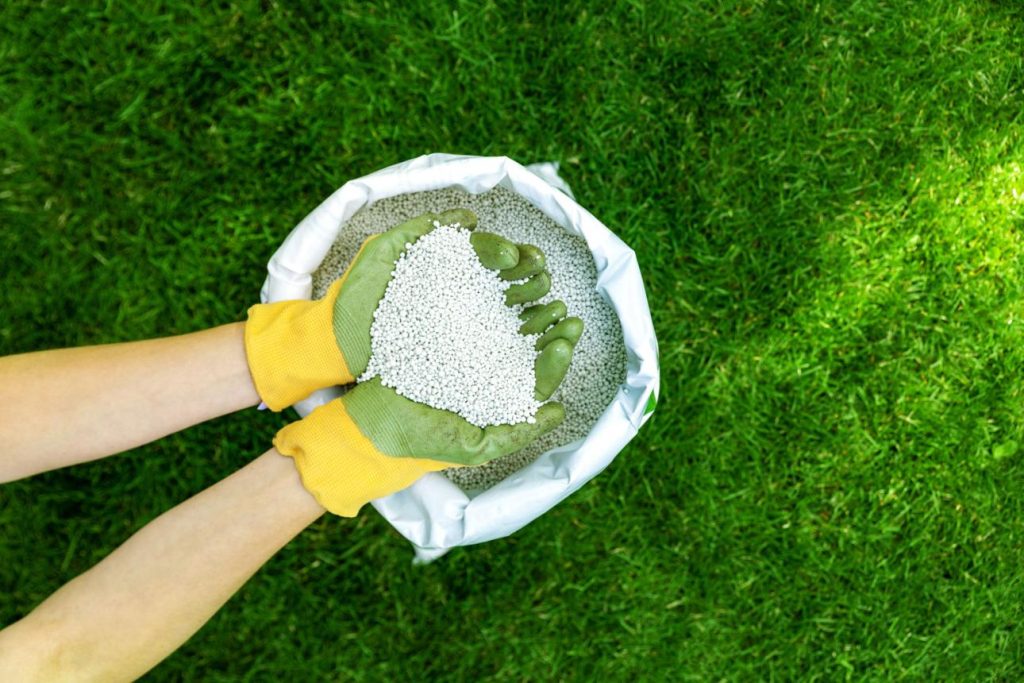
After winter, your lawn lacks essential nutrients.
Use a balanced fertilizer with:
- Nitrogen (for growth)
- Phosphorus (for roots)
- Potassium (for resilience)
Timing matters:
Apply once the grass starts actively growing — not too early.
Step 7: Start Mowing Properly
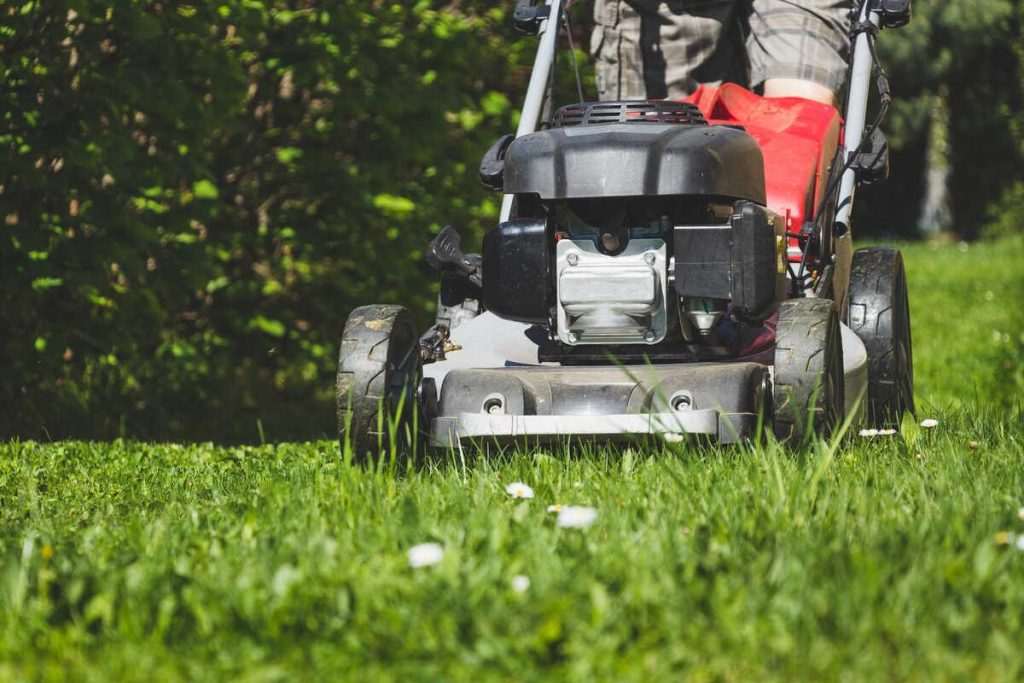

Your first mow sets the tone for the season.
Best practices:
- Wait until grass reaches ~3 inches
- Never cut more than ⅓ of blade height
- Keep mower blades sharp
Step 8: Water Smartly
Spring in Edmonton often provides natural moisture from snowmelt.
Guidelines:
- Water only when needed
- Aim for deep, infrequent watering
- Early morning is ideal
Overwatering early can lead to fungal issues.
Expert Tips for Edmonton Lawns
- Choose cold-hardy grass varieties (Kentucky bluegrass, fescue)
- Avoid heavy traffic on soggy lawns
- Monitor temperature swings — common in Alberta
- Consider professional lawn care for large or damaged areas
Conclusion
Preparing your lawn for spring in Edmonton isn’t just about aesthetics — it’s about building a strong foundation for the entire growing season.
By following these proven steps — cleanup, aeration, seeding, and proper fertilization — you’ll create a lawn that is:
- Healthier
- More resilient
- Visibly greener
FAQs
When should I start lawn care in Edmonton?
Typically late April to early May, depending on snow melt and soil temperature.
Is spring or fall better for aeration?
Both work, but spring helps recover winter damage.
How do I fix patchy grass after winter?
Overseeding combined with fertilization is the most effective solution.